


Water damage moves fast—especially in coastal areas like Neptune, Ocean Grove, Shark River Hills, and the greater Jersey Shore. In the first 24 hours, the most important steps are to stop the source of water, document every part of the damage, ensure personal safety, and begin drying immediately. Taking quick, organized action helps protect your home, reduces long‑term repair costs, and strengthens your insurance claim. White Buffalo Construction, a trusted Monmouth County construction company, provides the following guide to help homeowners act with confidence.
Stop the Water Source Immediately
The very first step is to locate and stop the incoming water. In many Neptune and Monmouth County homes, leaks often come from burst pipes, failed plumbing connections, leaking water heaters, or storm‑related intrusions. If the water source is from inside your home, shut it off at the main water valve.
How to Perform an Emergency Water Shutoff
1. Locate your main shutoff valve. Most Neptune City and shore‑area homes have valves in the basement, crawl space, mechanical room, or near the street-facing foundation wall.
2. Turn the valve clockwise firmly until it stops.
3. If you suspect the leak involves your water heater, turn off the water supply valve above the unit as well as the gas or electrical power feeding it.
4. If the source is plumbing-related and you cannot stop the leak, call a professional immediately. White Buffalo Construction provides Emergency Plumbing
services throughout Neptune City and Monmouth County.
Ensure Electrical and Personal Safety
Water and electricity are a dangerous combination. Before stepping into any wet area, shut off power at the electrical panel if it is safe to access. If water is near electrical outlets, appliances, or the breaker box, stay clear and wait for professionals.
Never walk into standing water if you cannot confirm power is fully off. In multi‑level Neptune and Jersey Shore homes, check upper floors for leaks that may be dripping downward into ceilings or walls—these hazards can worsen quickly.
Document All Damage for Insurance
Insurance companies require detailed documentation to process water damage claims. The more thorough you are in the first 24 hours, the better.
• Take photos and videos from multiple angles.
• Record damage to flooring, drywall, baseboards, ceilings, and personal belongings.
• Capture where the water originated and how far it spread.
• Save receipts for emergency repair costs and water mitigation.
As a restoration and remediation company serving Monmouth County, White Buffalo Construction regularly works with insurance carriers and provides claim‑ready photos, drying logs, moisture reports, and scope estimates to support homeowners.
Start Removing Water and Beginning the Drying Process
Drying should begin within the first few hours, ideally once the water source is controlled and documentation is complete. Water spreads quickly, especially in homes near the ocean where humidity levels are already elevated. The Jersey Shore’s coastal climate accelerates moisture absorption in drywall, insulation, and flooring, which can speed up mold growth.
Homeowners can begin:
- Removing standing water using shop vacs or pumps
- Opening windows if humidity outside is lower than indoor conditions
- Running fans to increase airflow
- Placing dehumidifiers in affected rooms
However, professional structural drying is typically needed within the first 24 hours to prevent hidden moisture from triggering long‑term damage.
Understand New Jersey’s Accelerated Mold Timeline
In Monmouth County and coastal communities like Ocean Grove and Shark River Hills, mold can begin forming in as little as 24 to 48 hours due to elevated humidity and salt‑air moisture. Homes in Neptune City often experience higher baseline humidity than inland towns, meaning water damage can worsen faster.
Signs of early mold growth include musty odors, discoloration along baseboards, and damp or cool wall surfaces. Even if mold is not visible, trapped moisture in wall cavities or subflooring can create conditions for mold to form behind the scenes.
When to Call a Professional Water Damage Restoration Company
While homeowners can handle initial steps, professional intervention is recommended when:
- Water has soaked drywall, insulation, cabinets, or flooring
- More than one room is affected
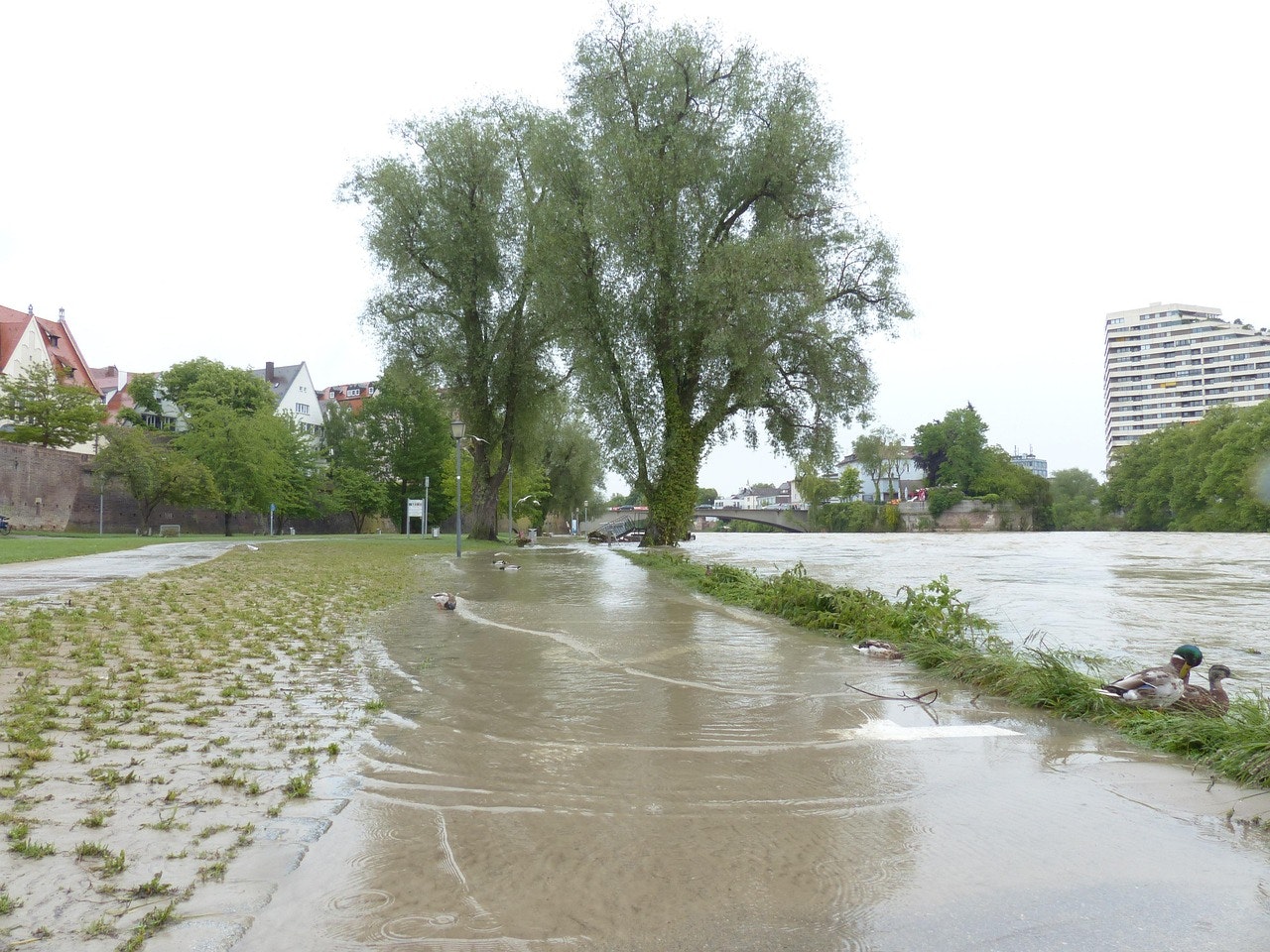
- Water came from a contaminated source (toilet overflow, floodwater)
- Standing water has been present for more than a few hours
- You suspect structural, electrical, or mold risks
White Buffalo Construction specializes in emergency cleanup, water extraction, structural drying, mold remediation, and insurance documentation across Neptune NJ and the greater Jersey Shore. As a licensed and insured contractor rooted in the Work Is Sacred mission, the company helps homeowners recover quickly while protecting long‑term property value.
How Coastal Homes Differ During Water Damage Emergencies
Flooding and leaks in Jersey Shore homes present unique challenges due to:
- High humidity that slows drying and promotes mold
- Older crawl spaces vulnerable to water intrusion
- Wind‑driven rain during nor’easters and storms
- Close proximity to rivers, inlets, and tidal systems
White Buffalo Construction understands these local environmental challenges and uses specialized equipment—industrial dehumidifiers, negative air machines, thermal imaging, and moisture meters—to identify and eliminate hidden moisture.
Follow a 24‑Hour Timeline
Hour 0–1:
Shut off water, power (if safe), and identify the source. Call emergency plumbing if needed.
Hour 1–3:
Document all damage thoroughly. Protect valuables and remove children and pets from affected areas.
Hour 3–6:
Begin controlled drying: fans, dehumidifiers, air movement, and water extraction if possible.
Hour 6–24:
Contact a restoration professional for inspection, moisture mapping, and structural drying.
Know When to Involve Your Insurance Company
Most water damage events—burst pipes, failed appliances, storms—should be reported to your insurance provider as soon as possible. Provide them with your photos, videos, and checklist information. White Buffalo Construction often works directly with insurance adjusters to streamline the claims process and provide precise restoration estimates.
Get Fast, Local Help in Neptune and the Jersey Shore
Acting quickly in the first 24 hours after water damage makes all the difference. Whether you're in Neptune City, Ocean Grove, Shark River Hills, or anywhere across Monmouth County, White Buffalo Construction is ready with emergency plumbing, water extraction, and full restoration services. Their community‑first approach and “Work is Sacred” philosophy ensure homeowners get the care and craftsmanship they deserve.
Need emergency water damage help now? Contact White Buffalo Construction to schedule immediate service and protect your home.
